
Commercial Tile Repair in Ottawa
Cracked, hollow and damaged tile in commercial spaces diagnosed and repaired properly — with scheduling that minimizes disruption to your operations.
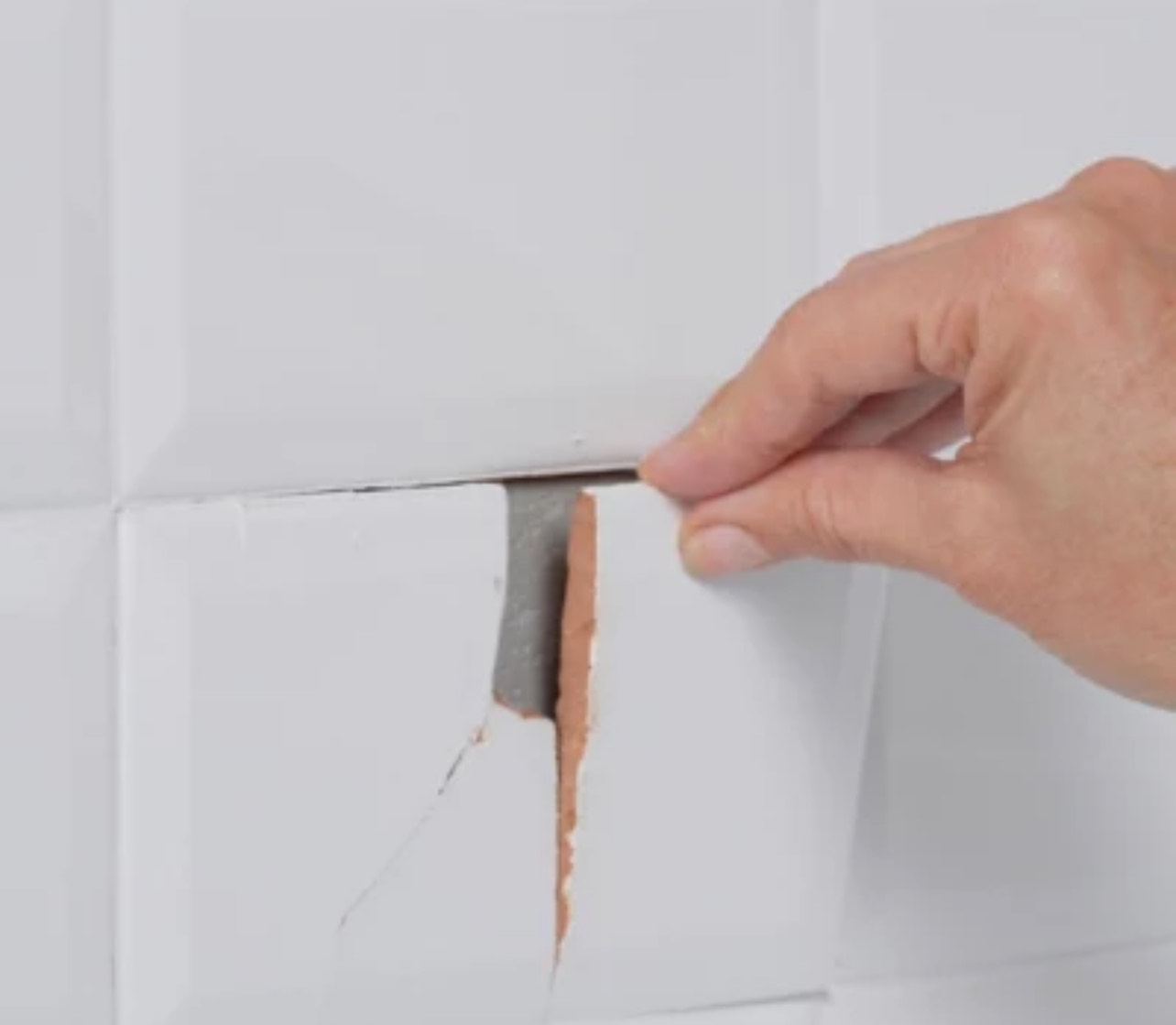
Get a Free QuoteCommercial tile floors in Ottawa take a beating. High foot traffic, heavy carts, pallet jacks, spilled liquids, and thermal cycling from constant HVAC operation all put stress on tile and grout that residential installations never experience. Cracked grout, hollow tile, and failed bonds are common in commercial entrances, lobbies, corridors, restrooms, and food service areas — and they create both safety issues and liability concerns when left unaddressed.
Orleans Flooring Co. handles commercial tile repair in Ottawa for offices, restaurants, retail spaces, medical and dental clinics, and other commercial environments. Joseph Leger, the owner, approaches commercial tile repair with the same diagnostic discipline he applies on residential jobs — the cause of the failure is identified before any repair work starts, because repairing tile without understanding what caused it to fail means the problem comes back.
Commercial tile repair requires working within business operating hours, matching existing tile and grout in a space that may have been installed years ago, and completing the work with minimal mess and disruption. Joseph understands these constraints and works with commercial clients to schedule repairs accordingly. Call 613-981-8903 to discuss your commercial tile repair in Ottawa.
Commercial Tile Repair — Technical Considerations
Commercial tile repair is more demanding than residential work in several respects. Here is how Joseph approaches the technical challenges specific to commercial environments.
Commercial Tile Diagnostics — Hollow vs. Solid Tap Test
The tap test is the primary diagnostic tool for identifying hollow tile: systematically striking each tile with a tapping mallet or coin and listening for the change in sound between a solid bond (dense, flat tone) and a hollow bond (higher-pitched, resonant tone). In a commercial space, Joseph walks the entire affected area in a grid pattern to map all hollow tile — not just the visibly cracked ones. Hollow tile that has not yet cracked is still a failure waiting to happen, and identifying the full extent of the problem before starting demolition avoids the costly surprise of discovering additional hollow tiles mid-repair. The results of the tap test survey are documented and shared with the client before any work begins.
Epoxy Grout vs. Cementitious Grout for Commercial
Standard cementitious grout — the type used in most residential installations — is porous and stains easily under heavy commercial use. It also chips and cracks more readily under heavy foot traffic and point-load impact. Epoxy grout is the appropriate choice for commercial food service areas, restrooms with heavy cleaning chemical exposure, and any commercial space where grout is subject to constant moisture or high-traffic wear. Epoxy grout is harder, non-porous, chemical-resistant, and does not require sealing. It is more difficult to install (it sets faster and is less forgiving of application errors) and costs more than cementitious grout, but its durability in commercial conditions makes it the technically correct choice in many repair scenarios. Joseph specifies grout type based on the use case, not the price point.
Heavy Traffic Tile Requirements — PEI Rating
Tile is rated for abrasion resistance using the Porcelain Enamel Institute (PEI) scale from 0 to 5. Residential floor tile is typically PEI 3 or 4. Commercial high-traffic areas — building entrances, corridors, food service floors — require PEI 4 or 5 rated tile. When replacing tile in a commercial setting, the replacement tile must be rated for the traffic load it will receive. Using a residential-grade tile in a commercial entrance to match the existing floor is a false economy — it will wear through the glaze within months. Joseph specifies replacement tile at the correct PEI rating for the application, even when that means the replacement section is a close visual match rather than an identical match to the original tile.
Matching Existing Tile
Matching tile in a commercial repair is often the most challenging part of the job. Commercial tile is frequently discontinued within a few years of installation, and the colour, size, and surface texture of the replacement tile needs to be close enough that the repaired section does not stand out visually in a professional setting. Joseph checks with suppliers for the original tile before quoting and advises clients honestly when an exact match is not available. In cases where matching is not possible, he can discuss options including replacing a larger section to a natural break point so the repair is less visually obvious, or selecting the closest available substitute and presenting samples for client approval before installation.
Working in Occupied Commercial Spaces
Commercial tile repair in an occupied space requires managing dust, noise, and access. Tile removal with an angle grinder and chisel creates significant dust — Joseph uses dust collection attachments and lays protective sheeting to contain the work area. Mortar curing time means the repaired area needs to be kept out of service for a minimum period after tile is set. For spaces that cannot shut down for a full day, phased repairs can be scheduled — repairing one section at a time and reopening it before moving to the next. These logistics are discussed and agreed with the client before the work schedule is confirmed.
Moisture Barriers Under Commercial Tile
Commercial slab-on-grade floors in Ottawa are at risk of ground moisture migration, particularly in spaces that were not designed with adequate vapour barriers. When tile is removed as part of a repair, the exposed slab should be tested for moisture before new tile is set. Installing tile over a slab with elevated moisture content will cause adhesive failure and, in worst cases, mold growth under the tile. If moisture is found, an appropriate membrane or moisture mitigation product needs to be applied before reinstallation. This adds to the scope and cost of the repair but is not optional — skipping it guarantees the new tile will fail the same way the old tile did.
What's Included in a Commercial Tile Repair
- Site inspection — full assessment of the affected area, discussion of scheduling constraints and operational requirements
- Hollow and cracked tile identification — systematic tap test survey with documentation of all affected tiles
- Removal — careful demolition of damaged tiles using grinder and chisel, dust-contained where required
- Substrate check — inspection of the surface below removed tile, moisture testing if applicable
- Reinstallation — back-buttering, full mortar coverage, lippage control, correct adhesive for the application
- Grout matching — colour match to existing grout; epoxy grout specified where the commercial use case requires it
- Cleanup — work area cleaned, protective sheeting removed, space ready for reopening
Commercial Tile Repair Ottawa — Frequently Asked Questions
Can you work outside regular business hours to minimize disruption?
Yes. Evening, early morning, and weekend scheduling is available for commercial tile repair jobs where daytime work would disrupt operations or require closing the space to customers or employees. This is discussed during the initial site visit and built into the project schedule before any work is confirmed. Some repairs — particularly those requiring mortar curing time — need a minimum of 24 hours before the area can be reopened to traffic, so after-hours scheduling often means the repair is done in the evening and the space is ready the following morning. For larger commercial repairs involving multiple sections, a phased schedule across multiple nights or weekends can be arranged.
How do you match existing tile when replacing a section?
The first step is identifying the existing tile — manufacturer, series, colour code, and size — usually from any remaining installation documentation, the original tile supplier, or by looking for a manufacturer's mark on the back of a removed tile. Joseph checks with Ottawa-area tile suppliers and distributors before quoting to determine whether the original tile is still available. If an exact match is not available, he presents the closest alternatives and provides physical samples for client approval before any replacement tile is ordered. In some cases, expanding the repair to a natural break point — a doorway, a column, a change in floor level — is the best way to achieve a visually clean result when matching is not possible.
Do you handle tile repair for restaurants, offices and retail spaces?
Yes. Orleans Flooring Co. works in all of these commercial environments. Restaurants typically require scheduling around service hours and often benefit from epoxy grout for durability under cleaning chemicals and moisture exposure. Offices usually have more scheduling flexibility but may have security or access requirements that need to be coordinated in advance. Retail spaces often have the most acute need for minimal-disruption repairs because closing sections of the floor directly affects sales floor space. Joseph is familiar with all of these environments and discusses the operational constraints up front to make the repair schedule work for the business.
What causes tile floors to crack in commercial settings?
The most common causes of tile cracking in commercial floors are subfloor or slab movement, point load impact from heavy equipment or dropped objects, and thermal expansion in spaces with large temperature swings. Subfloor deflection — the slab or structural floor moving under heavy foot traffic or equipment loads — cracks tile because tile is a rigid material with no flexibility. In slab-on-grade commercial construction, cracks in the concrete slab will telegraph through the tile if the tile was not installed over a proper uncoupling membrane. Heavy equipment such as pallet jacks and floor polishers can cause point-load cracking, particularly at tile edges. And in spaces that are heavily heated or cooled, inadequate movement joints at the perimeter and within large tile fields allow thermal expansion forces to crack both tile and grout.
Do you provide a warranty on commercial tile repairs?
Yes. Orleans Flooring Co. stands behind the quality of its installation work. The specifics of the warranty — duration and what it covers — are set out in the written quote and agreement for each commercial project. The warranty covers installation workmanship: tile that fails to bond properly, grout that cracks as a result of the installation method, or lippage introduced by the repair work. It does not cover failures caused by continued subfloor movement, subsequent physical impact damage, or the original conditions that caused the first failure if those conditions were not correctable as part of the repair scope. Joseph is transparent about what the warranty covers and what it does not, so there are no disputes after the work is done.
Related Services
Need Commercial Tile Repair in Ottawa?
Call Joseph directly at 613-981-8903 to discuss your commercial tile repair project. He will assess the space, identify the cause of the failure, and provide a written quote with a schedule that works around your business operations.
Request a Free Site Assessment