
Flooring Repair in Orléans
Cracked tile, hollow tile, damaged LVP, squeaky subfloors — Orleans Flooring Co. diagnoses the cause and fixes it properly. Owner on every job.
Get a Free QuoteMost flooring problems that Orléans homeowners call about — cracked grout, hollow tile, lifting LVP planks, squeaky floors — are symptoms of something that went wrong during the original installation. The tile cracked because the subfloor flexed. The grout keeps failing in the same spot because there is movement in the structure that has nowhere to go. The LVP is lifting because the subfloor was not flat enough when it was installed.
Joseph Leger, owner of Orleans Flooring Co., has seen these patterns repeatedly on repair calls across Orléans, Avalon, Fallingbrook, and the surrounding communities. His approach to flooring repair starts with diagnosis before any repair work is priced or started. Understanding why the failure happened is the only way to ensure the repair holds. Replacing a cracked tile without addressing the movement or moisture that cracked it in the first place means the new tile will crack too.
If you have a flooring problem in Orléans and want a straight answer about what caused it and what it will take to fix it properly, call Joseph at 613-981-8903. No upselling, no pressure — just an honest assessment and a clear quote.
Common Flooring Problems — Diagnosis and Repair
Here is how Joseph approaches the most common flooring repair calls in Orléans.
Hollow Tile — The Tap Test
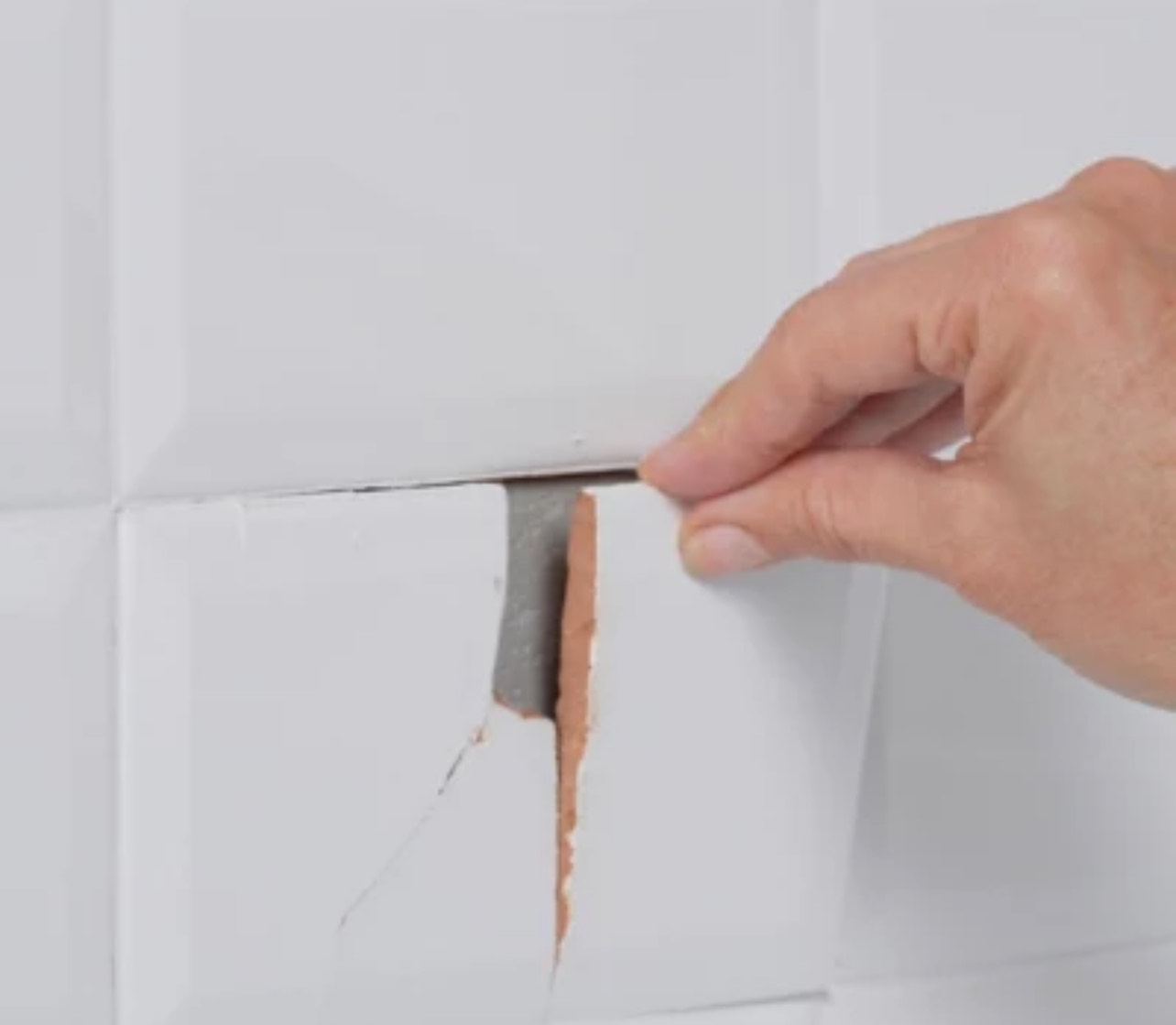
A tile that sounds hollow when tapped has lost its bond to the substrate below it. The cause is almost always inadequate mortar coverage during installation — either insufficient trowel coverage on the back of the tile, improper back-buttering of large-format tile, or mortar that skinned over before the tile was set. A hollow tile is structurally at risk: once the bond fails in one spot, the tile will eventually crack under foot traffic. Joseph walks the affected area systematically with a tapping tool to identify all hollow tiles, marks each one, and maps the extent of the problem before any removal begins. Not all hollow tiles need immediate replacement — those that are still intact and stable may be acceptable to leave temporarily — but tiles that are cracked, lifting at edges, or in high-traffic paths need to come out.
Cracked Grout — Movement, Wrong Grout, and Missing Joints
Grout cracks for three main reasons. First, structural or subfloor movement — if the subfloor flexes when walked on, the grout joint will eventually fail because grout has no flexibility. Second, wrong grout selection — sanded grout in a joint that was too narrow, or non-sanded grout in a wide joint, can both fail prematurely. Third, missing movement joints — large tile installations require soft joints (filled with silicone caulk, not grout) at regular intervals and at all changes of plane, including where the floor meets the wall. If these are filled with grout, they will crack. Regrouting without addressing the underlying cause will result in the same failure pattern. Joseph identifies the root cause before recommending a repair approach.
LVP Damage Repair
Luxury vinyl plank can be damaged by heavy impact, dragged furniture, or heat from direct sunlight through south-facing windows. Individual planks can sometimes be replaced without pulling the entire floor — the feasibility depends on the installation method (glue-down planks are much harder to replace than floating) and whether matching material is available. Joseph assesses whether a section repair is viable before recommending a full floor replacement. In cases where the LVP is lifting, gapping, or peaking, the cause is almost always a subfloor flatness issue or an installation without proper expansion gaps — both of which need to be addressed as part of the repair.
Subfloor Issues
Many flooring failures in Orléans homes trace back to a subfloor that was not properly prepared before the original installation. High spots not ground down, low spots not filled, OSB panels with swollen edges from moisture, or screws not pulled tight — all of these telegraph through the finished floor over time. When Joseph opens up a repair, he checks the subfloor condition as part of the process. If the subfloor needs work before the new flooring goes back, that scope is explained clearly and priced separately so the repair is done properly rather than patching over the same problem again.
Lippage at Tile Joints
Lippage — where the edge of one tile is higher than the adjacent tile — is an installation defect, not a material failure. It happens when tiles are not fully bedded into the mortar, when the mortar bed is uneven, or when large-format tiles are installed without lippage clips and levelling wedges. Significant lippage is a tripping hazard, causes uneven wear, and catches dirt at the edges. Correcting lippage typically means removing and resetting the affected tiles with proper mortar coverage and lippage control. It cannot be corrected by grinding — tile is a surface finish material and grinding through the glaze damages it permanently.
Squeaky Floors
Squeaky floors are caused by movement — subfloor panels rubbing against each other, subfloor panels moving against the joist, or finished flooring moving against the subfloor. The repair approach depends on the cause and the type of finished flooring. For hardwood over a plywood subfloor, additional screws through the subfloor into the joists often resolve the squeak without touching the finished surface. For tile, the squeak typically indicates a hollow spot that will eventually crack — the fix is removing the tile, resetting it with full mortar coverage, and ensuring the subfloor is solid. Joseph identifies the source of the squeak before recommending a repair method.
What's Included in a Flooring Repair
- Diagnosis — tap test, flatness check, moisture check, identification of the root cause of the failure
- Tile removal — careful removal of damaged tiles to avoid disturbing adjacent good tile
- Subfloor check — inspection of the substrate after tile removal, repair of any subfloor issues found
- Reinstallation or repair — back-buttering, proper mortar coverage, lippage control where applicable
- Grout matching — colour-matching to existing grout where possible; full regrout of affected area where needed
- Cleanup — tile debris and dust removed from site, floor left clean and usable
Flooring Repair Orléans — Frequently Asked Questions
Can you replace just a few damaged tiles without replacing the whole floor?
Often yes, but it depends on several factors. The most important is whether matching tile is available — either from the original installation's leftovers or from a supplier who still stocks the same product. Tile is discontinued regularly, and finding an exact match years after an installation can be difficult. Grout colour matching is also a factor. Beyond materials, the feasibility of a section repair depends on whether the surrounding tiles are in good condition and whether the cause of the failure has been identified and can be corrected during the repair. Joseph assesses all of these factors before quoting a repair. If a section repair is not viable, he will explain why and outline the alternatives honestly.
Why does grout keep cracking in the same spot?
Recurring grout cracks in the same location almost always indicate movement in the structure or subfloor at that point. Common causes include a joist directly below that deflects under load, an expansion area where two sections of the house meet, a subfloor panel joint that was not properly supported, or a change-of-plane location (floor meeting wall) that should have a silicone movement joint instead of grout. Simply raking out and refilling the crack with new grout is a temporary fix — it will crack again. The correct repair involves identifying the source of the movement and either addressing it structurally or installing a proper silicone-filled movement joint at that location.
Can LVP flooring be repaired or does the whole floor need replacing?
Floating LVP can sometimes be repaired by disassembling the planks from an edge of the room to the damaged section, replacing the damaged plank, and reassembling the floor. This is feasible when the floor runs to an accessible edge (rather than being trapped under cabinetry or a toilet flange on all sides), when matching material is available, and when the planks have not been damaged by excessive heat or chemical exposure that has also affected adjacent planks. Glue-down LVP is much harder to repair in sections because the planks bond permanently to the subfloor. Joseph assesses each situation individually — he will tell you directly if a section repair is viable or if replacement is the more practical option.
Do you diagnose what caused the failure before repairing it?
Yes, always. Repairing a flooring failure without understanding the cause is a temporary fix at best. If a tile cracked because the subfloor flexes, the new tile will crack too. If grout keeps failing because there is no movement joint at a change of plane, regrouting will fail again within a year. Joseph's repair process starts with understanding what failed and why. The diagnosis is part of the site visit, and it shapes what he recommends for the repair. If the cause of the failure is something that cannot be fully corrected — for example, a structural issue outside the scope of a flooring repair — he will tell you that clearly so you can make an informed decision about how to proceed.
How much does flooring repair cost in Orléans?
Flooring repair pricing in Orléans depends on the scope of the work — the number of tiles to be replaced, the condition of the substrate, whether tile matching is required, and the time needed for diagnosis and preparation. Small section repairs involving a handful of tiles might run $300 to $600 for labour. Larger repairs involving significant subfloor work, a full regrout of a tiled area, or LVP repairs requiring floor disassembly will be quoted accordingly. Joseph provides a written quote after seeing the space. There are no hourly guesses given over the phone without understanding what the repair actually involves.
Related Services
Have a Flooring Problem in Orléans?
Call Joseph directly at 613-981-8903 or send a message below. He will assess the problem, explain what caused it, and give you a straight answer on what it will take to fix it properly.
Request a Free Assessment