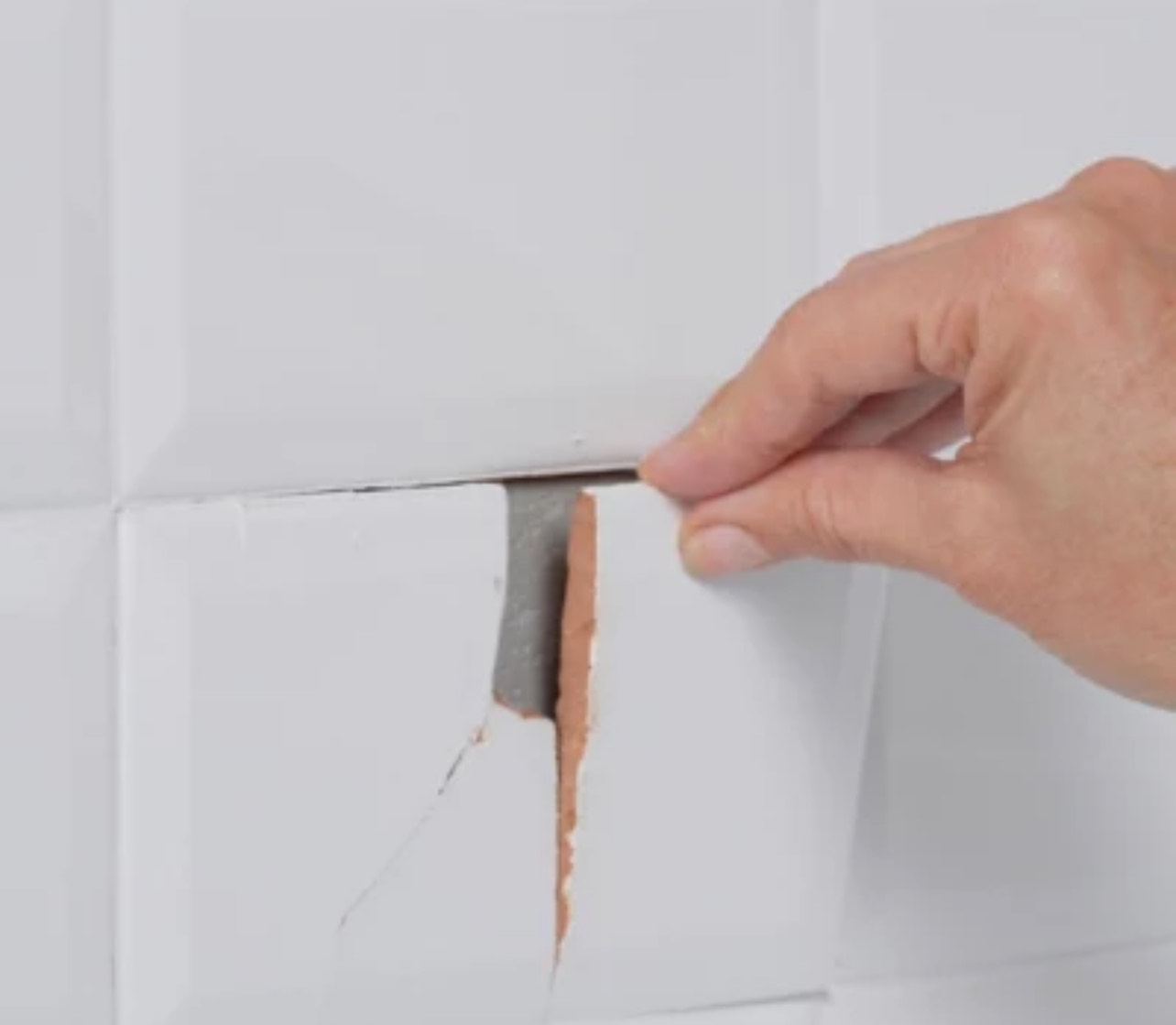
Cracked grout is one of the most common flooring complaints in Orléans and Ottawa, and it's almost always preventable. Most homeowners assume grout cracks because it's old, or because they bought the wrong brand, or because of Ottawa's harsh winters. Those explanations are rarely the real cause. Grout cracks for specific, identifiable reasons — and understanding them is the first step to getting a tile floor that lasts.
Missing Movement and Expansion Joints
Grout is a cement-based material. It's hard, relatively brittle, and not designed to stretch or compress. Every building moves — seasonally, thermally, and under load. When those forces have nowhere to go, they concentrate at the weakest point, which is usually a grout joint.
TCNA (Tile Council of North America) guidelines require movement joints at all changes of plane, at all perimeter edges, and within large field installations at regular intervals (typically every 20 to 25 feet in interior applications, more frequently outdoors). A movement joint is filled with a flexible sealant — usually caulk that matches the grout colour — not rigid grout. Caulk can compress and recover. Grout cannot.
When an installer skips movement joints and fills every joint edge-to-edge with grout, the first seasonal movement the building goes through will crack something. It's not a matter of if — it's when. The cracks almost always show up first at wall-floor transitions, doorway thresholds, and field joints in large open areas, because those are the places where movement concentrates.
Wrong Grout Type for the Joint Width
Grout selection is not one-size-fits-all. Unsanded grout is designed for narrow joints — typically under 1/8". Sanded grout is designed for joints 1/8" and wider. Use unsanded grout in a wide joint and it will shrink as it cures, pulling away from the tile edges and eventually cracking under foot traffic. Use sanded grout in a very narrow joint and the sand particles prevent proper consolidation, leaving voids that become stress points.
Epoxy grout is another option for high-wear or chemically exposed areas — it's harder, non-porous and more resistant to staining and cracking than cement-based grout. The tradeoff is that it's significantly more difficult to work with and must be applied correctly within a tight working time. In the right situation, it's worth it. In a standard residential floor with proper movement joints, standard sanded grout applied correctly will perform very well.
Substrate Flex
Tile is rigid. The floor underneath it cannot be. The structural standard for tile installations over wood framing is L/360 deflection — which means a joist span of 120 inches can deflect no more than 1/3 of an inch under design load. Exceed that and the floor flexes enough that the tile and grout above it crack.
This is why tile on upper floors of older Orléans homes fails more often than tile on concrete slabs. The framing may have been adequate for the original carpet or hardwood but doesn't meet the deflection standard for ceramic or porcelain. The fix is to stiffen the subfloor assembly — add a layer of cement board or uncoupling membrane, sister the joists, or add blocking. Skipping this step and just installing tile anyway is a guaranteed callback within a year or two.
Improper Mortar Coverage
Every tile needs to be fully supported by the mortar beneath it. ANSI A108.02 requires a minimum of 80% mortar contact on residential floors and 95% in wet areas and exterior applications. When coverage falls short, the unsupported areas of the tile create hollow spots. Step on that hollow spot and the tile flexes slightly — not enough to crack the tile itself, but enough to crack the grout joint at the edge. Over time, the tile bond fails entirely and the tile becomes loose.
Checking coverage is straightforward: lift a freshly set tile before the mortar has cured and look at the contact pattern on the back. You want to see mortar contact across the full surface. Back-buttering — spreading a thin layer of mortar directly onto the back of the tile before setting — ensures full coverage on large format tiles and in situations where the substrate has minor texture variation.
Bond Failure
A tile that isn't properly bonded to the substrate will move slightly under foot traffic. That micro-movement is invisible to the eye but is more than enough to crack grout. Bond failure can happen for several reasons: mortar applied to a dusty or contaminated substrate, mortar that was allowed to skin over before the tile was set, insufficient trowel coverage, or tile set over a substrate that wasn't properly primed.
Concrete substrates should be swept clean of dust and debris and in some cases primed with a latex bonding agent before mortar is applied. Sheet vinyl and old adhesive residue are not good tile substrates — they compress under load and don't bond reliably. In those situations, removal or installation of an uncoupling membrane is the correct approach.
Freeze-Thaw Cycles
Outdoor tile installations in Ottawa's climate face an additional challenge: water that gets into grout joints freezes, expands, and progressively destroys the joint and the tile bond. Exterior tile requires proper drainage, freeze-thaw rated tile and mortar, and carefully placed movement joints to allow for the thermal expansion that happens across Ottawa's temperature range. Skipping any of these steps means the installation may not survive its first Ottawa winter intact.
For professional tile repair or a new tile installation done right the first time, see Orleans Flooring Co.'s flooring repair services and tile contractor services in Orléans and Ottawa.